I never thought I’d be the guy writing this article. At 32, I had a growing business, a nice apartment, a car I didn’t need, and enough money coming in each month to feel genuinely comfortable. Three years later, I went broke — completely and thoroughly. No dramatic moment, no single bad decision. Just a slow, quiet unraveling that I didn’t see coming until I was already at the bottom.
This isn’t a motivational piece about bouncing back (though I did). This is the honest postmortem. The real breakdown of how it happened, what I missed, and what I wish someone had told me when I was still riding high.
The Setup: When Everything Felt Like It Was Working
By my early 30s, I’d built a small but profitable digital marketing agency. We had six clients, a small team, and revenue that was growing year over year. I felt invincible. Looking back now, I can see I was confusing a good run with actual skill — and that’s a dangerous thing to do.
The business was doing well, but I was also making money in other places. I’d gotten into sports betting a couple of years earlier, mostly as a hobby. I had a few big wins early on, and like a lot of people in that situation, I made the classic mistake of thinking I had an edge. A beginner’s luck streak can feel like mastery. It isn’t.
Between the agency income and what felt like “bonus money” from betting, I started spending like both streams were permanent. That was mistake number one.
Lifestyle Inflation: The Silent Account Killer
Nobody talks about lifestyle inflation enough. It’s not about buying one big stupid thing. It’s about every decision you make slowly creeping upward until your baseline cost of living is completely unsustainable.
Here’s what my spending looked like over three years without me ever consciously deciding to “spend more”:
- Rent: Moved from a €900/month flat to a €1,800/month apartment because I “deserved more space”
- Car: Upgraded to a lease I didn’t need for about €550/month
- Eating out: Went from cooking most nights to eating out or ordering in almost daily
- Holidays: Two or three trips a year, all business class or premium hotels
- Subscriptions and services: Stacked up to over €400/month in things I barely used
- Betting stakes: Gradually increased from €20–50 per bet to €200–500 without adjusting my bankroll thinking
Each individual upgrade felt reasonable at the time. Together, they turned into a financial trap that took years to spring shut.
The Illusion of Winning Streaks
This is the part I find hardest to talk about, but it’s probably the most important.
I had a genuinely good run betting on football and tennis for about 18 months. I was up a significant amount — enough to feel like a serious side income. I started tracking my wins obsessively and barely acknowledged my losses. Confirmation bias at its finest.
The problem with winning streaks, whether in business or betting, is that they create a false sense of control. You start to believe the good results are because of you, and the bad results are just variance. Eventually, the math catches up. And when it does, if you’ve already scaled up your stakes and your lifestyle based on that streak, the fall is steep.
In business, I had a similar blindspot. We landed two big clients in one quarter, and I hired aggressively to handle the workload. I assumed the growth would continue. It didn’t. One client left after a restructure. Another cut their budget by 60%. Suddenly, I had a payroll I couldn’t sustain and revenue that had dropped by a third.
Both the betting losses and the business contraction happened within about six months of each other. That overlap is what pushed me into genuine financial rock bottom territory.
What Losing Everything Financially Actually Looks Like
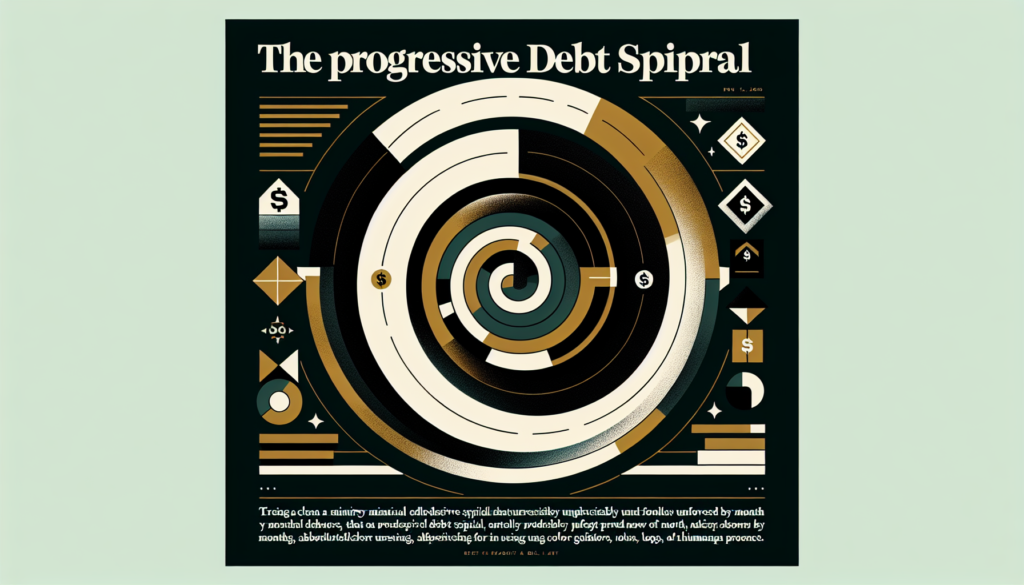
People imagine losing everything financially as some sudden collapse — a moment where you check your account and it’s zero. It wasn’t like that for me. It was more like a slow bleed.
First, I used savings to cover monthly shortfalls. Then the savings ran out. Then came the credit cards. Then I was juggling minimum payments and telling myself it was temporary. Then the business couldn’t make payroll one month. Then two months. I had to let my small team go, which was one of the worst days of my life.
By month eight of this spiral, I had:
- Around €28,000 in credit card and personal loan debt
- No business income worth speaking of
- Burned through every cent of savings
- A car lease I couldn’t afford and couldn’t exit cleanly
- A rental I was three weeks from defaulting on
I didn’t file for bankruptcy — I managed to avoid that — but I was close enough to understand exactly why people do. Rebuilding after bankruptcy or near-bankruptcy is not a quick process. It’s also not a shameful one, though it took me a long time to stop feeling like it was.
The Turning Point: Facing the Numbers Honestly
The shift happened when I stopped avoiding my bank account and actually looked. I mean really looked — printed everything out, wrote down every debt, every monthly obligation, every income source. No hiding, no rounding up, no “it’s probably not that bad.”
It was that bad. But seeing it clearly was the first time I actually felt some control returning. You can’t fix what you won’t face.
A few things I did immediately that helped:
- Stopped all betting completely — not reduced, stopped. Cold. The “I’ll win it back” thinking is a trap.
- Contacted creditors directly — most were willing to negotiate payment plans when I was upfront about the situation
- Downsized everything fast — moved to a cheaper place, handed back the car, cancelled every non-essential subscription
- Started freelancing immediately — took any marketing work I could find, even at rates far below what I used to charge
- Told someone I trusted — keeping financial shame private makes it worse, not better
What I Know Now That I Didn’t Know Then
Having went broke and come out the other side, here’s what I genuinely understand now that I didn’t before:
Income is not wealth
Having money coming in is not the same as being financially secure. I was earning well for years and had almost nothing to show for it structurally. Wealth is what you keep and build, not what you earn and spend.
Streaks end — always
In business, in investing, in betting — good runs end. The question is whether you’ve built your life around the assumption that they won’t. I had. Don’t do that.
Lifestyle costs are sticky
It’s easy to upgrade. It’s psychologically brutal to downgrade. Design your lifestyle at a level you can comfortably maintain in a bad year, not a good one.
Debt is a slow emergency
Credit cards don’t feel like emergencies. They feel like solutions. They’re not. High-interest debt compounds quietly and then suddenly. Treat the first sign of debt accumulation like the emergency it actually is.
Shame delays recovery
I spent months too embarrassed to ask for help, talk to a financial advisor, or even tell people close to me what was happening. That shame cost me time and made the hole deeper. Financial rock bottom is not a character flaw — it’s a situation, and situations can be fixed.
Where I Am Now
It took about two and a half years to genuinely stabilise. I rebuilt my freelance work into a smaller, leaner version of my agency. I paid off the debt. I live well below my income now — not miserably, just sensibly. I have an emergency fund. I don’t bet.
I’m not going to tell you it was all a blessing in disguise, because for a long time it just felt like a disaster. But I did learn things I wouldn’t have learned any other way. And I’m genuinely more financially literate, more grounded, and more honest with myself than I was when I was “winning.”
Final Thoughts
If you’re reading this because you’re worried you’re heading somewhere similar — take that instinct seriously. The signs are usually there well before the crisis. Spending more than you earn, betting more than you can afford to lose, assuming your best months represent your average — these are the warning signs I ignored.
Going broke at 35 wasn’t the end. But it didn’t have to happen either. If anything in this story sounds familiar, now is the time to look at the numbers honestly, before they force you to.