
Overpaying for a house can quietly wreck your finances for years, and most people don’t see it coming.
I know this because I lived it. A few years back, I paid more than I should have for a home I fell in love with at first sight. I told myself it was a smart investment. I told myself the market would catch up. I told myself a lot of things that turned out to be convenient stories rather than financial logic. If you’re currently house hunting, or you’re sitting with a purchase you’re second-guessing, this article is the honest breakdown I wish someone had given me before I signed on the dotted line.
The Moment Emotion Overruled Everything
There’s a very specific feeling that happens when you walk into a house and just know. The light hits a certain way, the kitchen is exactly what you imagined, and suddenly every practical concern you had goes quiet. That feeling is powerful — and it’s also dangerous.
For me, it happened fast. I had a number in my head. A budget I’d worked out carefully based on my income, my savings, and what I could realistically afford each month. Then I saw the house, and that number became a suggestion rather than a limit. The sellers weren’t budging, the market felt competitive, and I didn’t want to lose it. So I stretched. Then I stretched a little more.
That’s the exact pattern that leads to overpaying for a house — not recklessness, but a combination of emotion, urgency, and the fear of missing out. It’s the same psychological cocktail that causes people to chase losses in betting markets or double down on a stock they’re emotionally attached to. The brain shifts from calculating risk to justifying desire.
What “Overpaying” Actually Means for Your Monthly Life
People focus a lot on the purchase price, but the real damage from overpaying for property shows up in your everyday finances in ways that are harder to see until you’re deep in it.
- Higher mortgage payments every single month — even a $20,000 overpayment translates into years of elevated monthly costs
- Less equity than you expect — if you overpaid relative to market value, you’re starting with negative or minimal equity
- Private Mortgage Insurance (PMI) — overstretching often means a smaller down payment percentage, triggering PMI you have to pay until you hit 20% equity
- Reduced financial flexibility — when so much of your income goes to housing, there’s less room for savings, emergencies, or investment
- The refinancing trap — if the home appraises below what you paid, refinancing becomes difficult or impossible
In my case, I was paying PMI for almost two years longer than I’d planned, my emergency fund got dangerously thin in the first year, and I passed on a solid investment opportunity because I simply didn’t have the cash. The purchase price felt abstract when I signed. The monthly reality was very concrete.
The Psychology Behind Common House Buying Mistakes
Looking back, the house buying mistakes I made weren’t random. They followed a predictable emotional script that behavioral economists have studied extensively — and that shows up in other high-stakes financial decisions too.
Anchoring to the Listing Price
Once you see a number, it anchors your thinking. If a house is listed at $450,000 and you negotiate to $440,000, that feels like a win — even if the home’s actual market value is closer to $420,000. You’ve “saved” money relative to the anchor, not relative to reality.
Sunk Cost Thinking
After visiting a house multiple times, getting an inspection, imagining your furniture in the rooms — you’ve invested time and emotion. Walking away feels like losing all of that. So you push forward even when the numbers don’t fully work. This is textbook sunk cost fallacy, and it costs people thousands.
Social Pressure and FOMO
Real estate agents — good ones and bad ones alike — often create urgency. “There’s another offer coming in.” “This won’t last.” Whether or not that’s true, the pressure to act fast overrides the patience that smart buying requires. This same dynamic plays out in speculative markets all the time: the fear of missing the move makes you take the trade on worse terms than you should.
How the Financial Damage Compounds Over Time
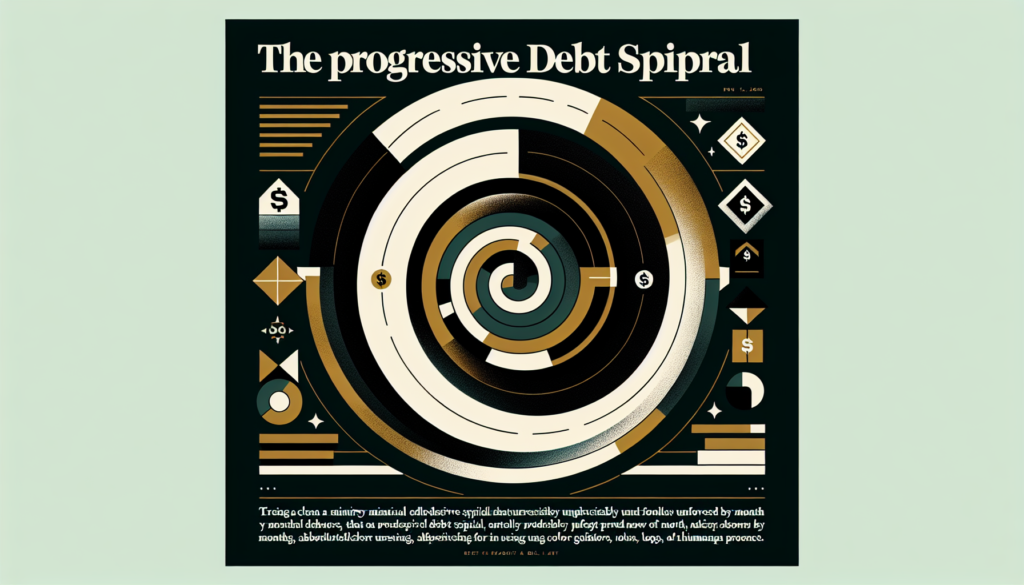
One of the most underappreciated aspects of property purchase regret is how the initial mistake compounds. It’s not just that you paid too much — it’s that overpaying reshapes your entire financial trajectory in the years that follow.
Here’s how that played out for me over about a three-year period:
- Year One: Tight cash flow, PMI payments, minimal savings contributions, skipped retirement account top-ups
- Year Two: A small home repair turned into a budget crisis because the emergency fund had never been properly rebuilt
- Year Three: Finally started to stabilize, but the opportunity cost of not investing those funds earlier had already done its quiet damage
The compounding effect of not investing in year one is real and lasting. Money that should have been growing in an index fund or a retirement account was instead covering the gap between what I could afford and what I’d committed to. That’s years of compound growth gone.
What I Would Do Differently — And What You Can Do Now
If you’re in the middle of buying a home, or you’re about to start, here are the lessons I paid dearly to learn:
Get an Independent Appraisal Before You Commit
Don’t rely solely on the lender’s appraisal. Get your own. Know what the comparable sales actually say the home is worth. That number should be your ceiling, not the seller’s asking price.
Set a Hard Limit and Treat It Like a Rule, Not a Guideline
Before you start touring homes, decide on a number you will not go above — and then don’t negotiate with yourself when you find a place you love. Write it down. Tell your partner. Tell your agent. Make it a commitment you’re accountable to.
Build in a Walk-Away Margin
A good deal on a home shouldn’t require you to stretch. If you have to push your budget to make an offer work, that’s information. The house that’s right for you financially should have some room in it, not zero room.
Slow Down Artificially
If you feel urgency — real or manufactured — build in a forced pause. Sleep on it for 48 hours. Run the numbers again with a clear head. Talk to someone with no emotional stake in the decision. Urgency is one of the most reliable signals that your emotional brain has taken the wheel from your rational brain.
Think About Opportunity Cost Explicitly
Every extra dollar you spend on a home is a dollar not going somewhere else. Before you offer above your budget, calculate what that difference would be worth if invested over 10 years. That concrete number can be a useful reality check when emotions are running hot.
The Bigger Lesson About Financial Decision-Making
What happened to me with this house isn’t really a story about real estate. It’s a story about how human beings make financial decisions under emotional pressure — and how the outcomes follow similar patterns whether you’re buying property, placing a bet, or trading stocks.
In each of those contexts, the same forces are at work: attachment to an outcome, fear of missing out, social pressure, the anchoring effect of the first number you see, and the way urgency collapses careful thinking. The stakes differ, but the psychology is remarkably consistent.
The most financially damaging decisions I’ve made in my life weren’t made out of ignorance. They were made when I knew the right answer but let emotion override it anyway. That’s a much harder problem to solve than simply learning more information — it requires recognizing the emotional state you’re in and building structures that protect you from yourself.
Final Thoughts
Overpaying for a house is one of the most financially consequential mistakes you can make, not because of the moment it happens, but because of how long it follows you. The monthly payments, the reduced flexibility, the opportunity cost, the stress — it all adds up in ways that are hard to see clearly when you’re standing in a sunlit kitchen imagining your future there.
The goal isn’t to stop feeling excited about homes. The goal is to have systems in place that keep the financial logic intact even when the emotional logic is screaming at you to just go for it. Set your limits early, stick to them firmly, and remember that the right home for you is one you can genuinely afford — not just technically afford on paper, but comfortably afford in real life, month after month, year after year.
That’s the home worth buying. And it almost certainly exists within your real budget, if you’re patient enough to find it.